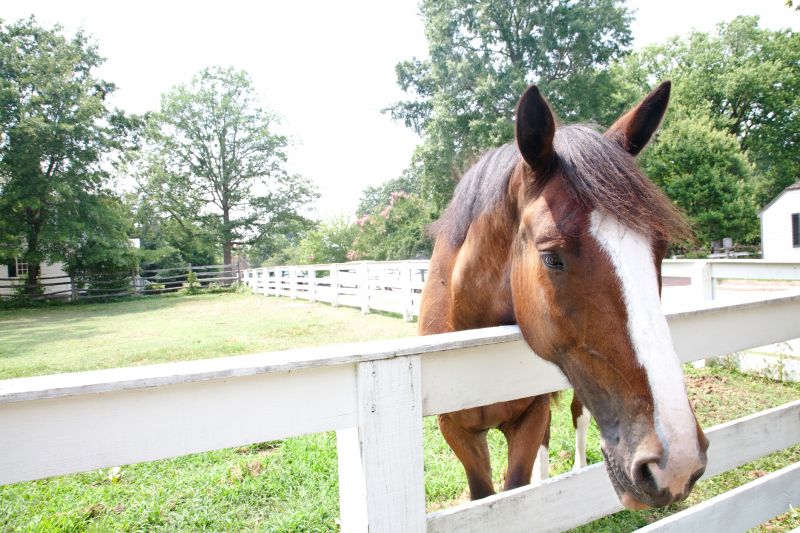
Equine Fence Installation in South Houston, TX
Equine fence installation services involve constructing durable and secure enclosures designed specifically for horses and other livestock. These projects typically include selecting appropriate fencing materials, such as wood, vinyl, or wire, and installing them to create safe boundaries around pastures, riding arenas, or property perimeters. Homeowners often seek these services to ensure their animals are safely contained while maintaining the aesthetic appeal of their property. Before requesting equine fencing, property owners usually want to understand the types of fencing available, the durability of different materials, and how the installation process will integrate with existing land features.
Property owners planning equine fencing projects should consider factors like the size of the area to be enclosed, the terrain of the property, and any local regulations or restrictions that may apply. It's also important to think about the fencing’s purpose-whether for containment, safety, or training-and how it will accommodate the needs of the animals. Understanding the maintenance requirements and lifespan of various fencing options can help in making an informed decision that balances functionality with long-term durability.
Many property owners in South Houston, TX look into Equine Fence Installation for repairs, replacements, upgrades, and appearance-related improvements.
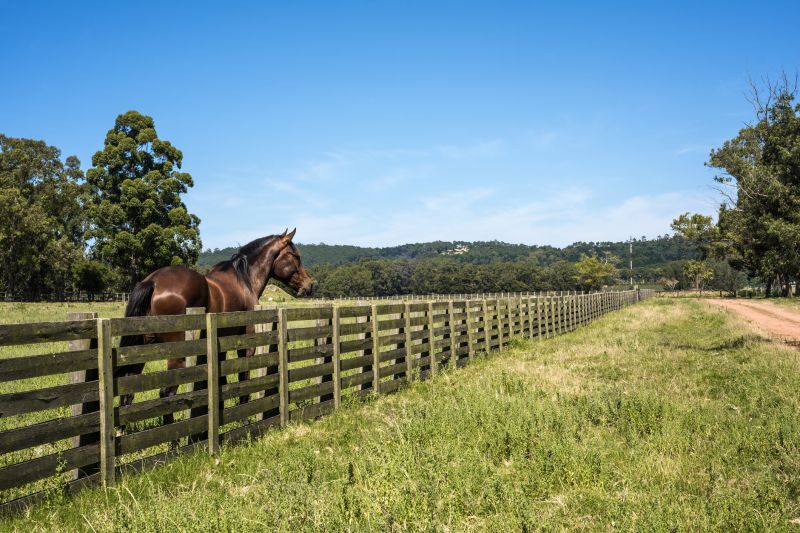
Types Of Equine Fences
Various fencing options are available to suit different needs and preferences for horse enclosures.
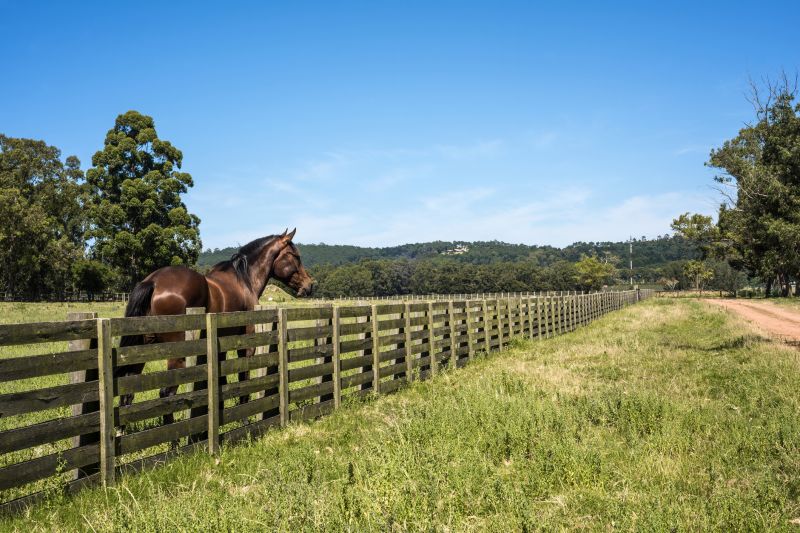
Benefits Of Professional Installation
Properly installed fences enhance safety, durability, and containment for horses on your property.
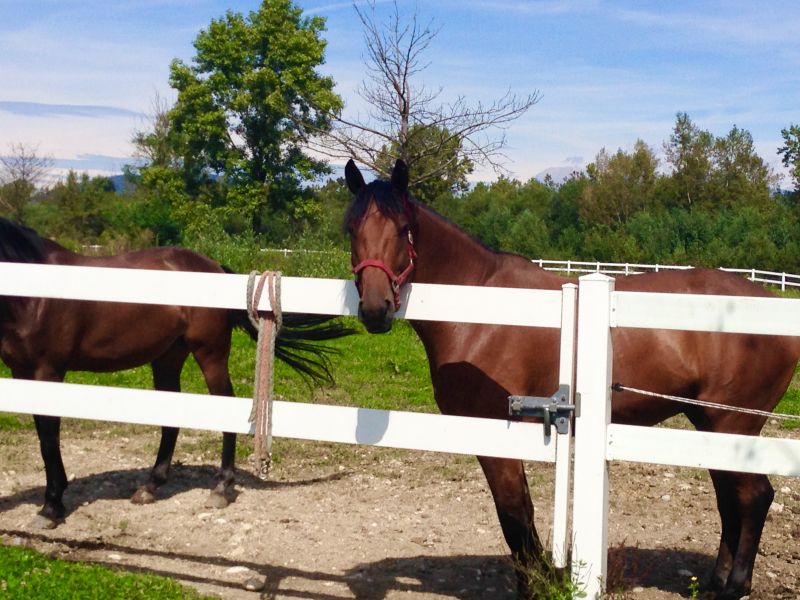
Maintenance And Upkeep
Regular inspection and maintenance help ensure the longevity and effectiveness of equine fencing systems.
Equine Fence Installation in South Houston, TX
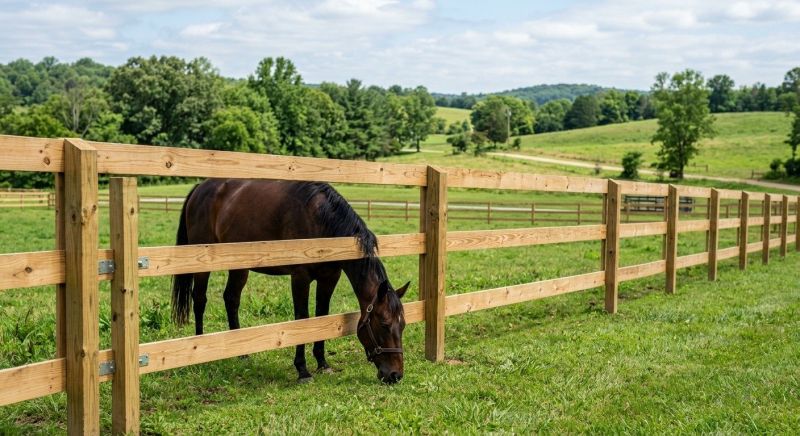
Equine fence installation services involve constructing durable and secure enclosures designed specifically for horses and other livestock. These projects typically include selecting appropriate fencing materials, such as wood, vinyl, or wire, and installing them to create safe boundaries around pastures, riding arenas, or property perimeters. Homeowners often seek these services to ensure their animals are safely contained while maintaining the aesthetic appeal of their property. Before requesting equine fencing, property owners usually want to understand the types of fencing available, the durability of different materials, and how the installation process will integrate with existing land features.
Property owners planning equine fencing projects should consider factors like the size of the area to be enclosed, the terrain of the property, and any local regulations or restrictions that may apply. It's also important to think about the fencing’s purpose-whether for containment, safety, or training-and how it will accommodate the needs of the animals. Understanding the maintenance requirements and lifespan of various fencing options can help in making an informed decision that balances functionality with long-term durability.
Many property owners in South Houston, TX look into Equine Fence Installation for repairs, replacements, upgrades, and appearance-related improvements.
Common Equine Fence Installation Jobs
Equine fence installation involves setting up sturdy barriers to contain horses safely within a property.
Wood fencing provides a traditional look and clear visibility for horse enclosures.
Vinyl fencing offers low maintenance and durable boundaries for equine areas.
Wire fencing is used for secure, cost-effective enclosures suitable for horses.
Custom fencing solutions are designed to match specific property layouts and needs.
Fence repair and replacement services help maintain safety and functionality of existing horse fencing.
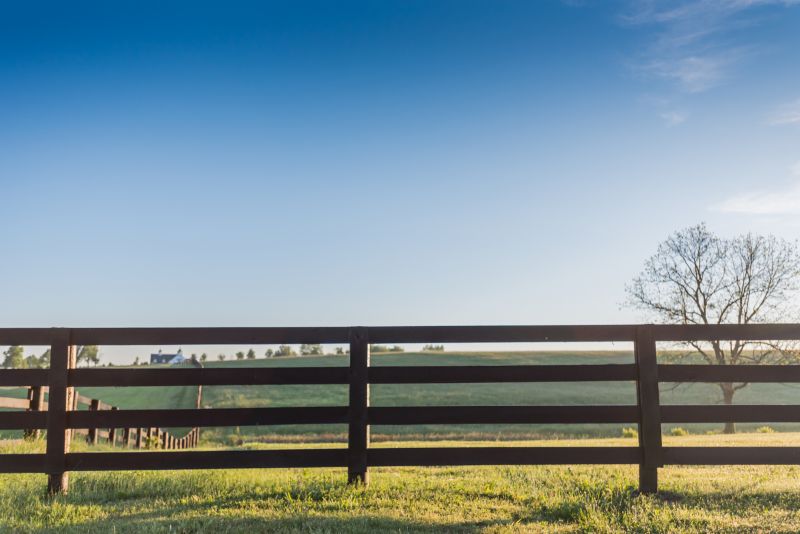
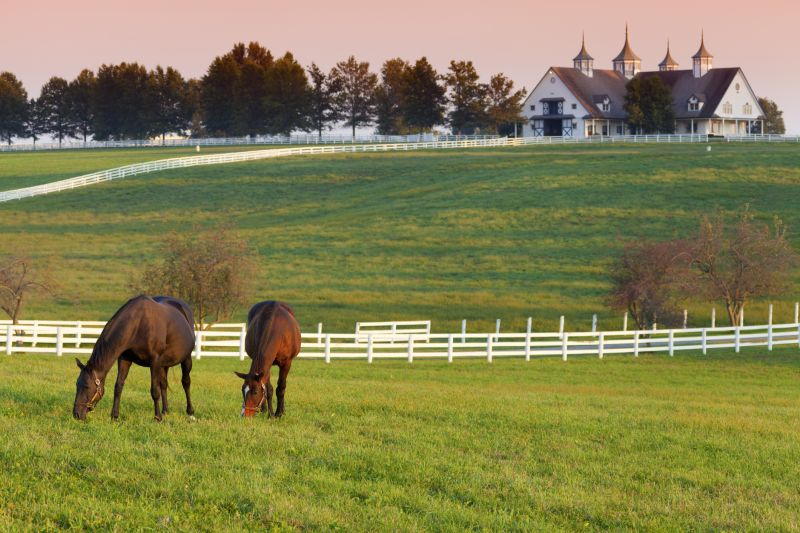
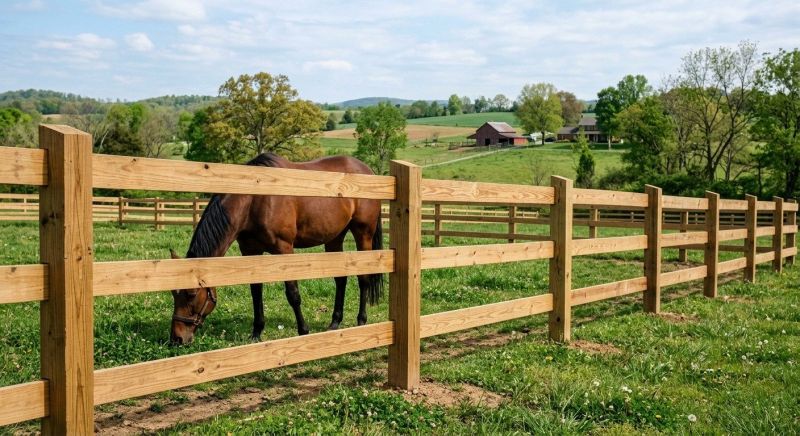
Equine Fence Installation Questions
What types of fencing are suitable for horses? Common options include wood, vinyl, and wire fences, each offering different levels of visibility and durability for equine safety.
How tall should an equine fence be? Fences typically range from 4.5 to 5 feet high to prevent horses from jumping over.
What materials are best for long-lasting horse fences? Durable materials like cedar, vinyl, and high-tensile wire are often chosen for their strength and low maintenance needs.
Are there specific design considerations for horse fencing? Fences should have smooth edges, avoid sharp components, and be spaced appropriately to prevent injuries and escape risks.
Request Equine Fence Installation in South Houston, TX
Use the quote form on this page to share the basics of your project and request more information for the type of work you need.